Introduction
When it concerns selecting a fencing option for your property, the choices can be overwhelming. Two popular choices are Colorbond fencing and wood fencing. Each has its own unique benefits and drawbacks, deciding challenging for house owners and entrepreneur alike. In this post, we will delve deep into the specifics of both Colorbond and wood fencing, supplying you with a thorough contrast that will help assist your decision-making process.
A Comprehensive Contrast: Colorbond Fencing vs Wood Fencing
In the realm of outdoor looks and functionality, Colorbond fencing sticks out for its resilience and low upkeep requirements. On the other hand, standard wood fencing brings an element of warmth and natural beauty to any landscape. However which is better? The answer frequently depends upon your specific requirements, preferences, and budget.
Understanding Colorbond Fencing
What is Colorbond Fencing?
Colorbond fencing is made from top quality steel covered with a protective layer of paint. This not only improves its aesthetic appeal but also makes it resistant to rust, corrosion, and fading in time. Readily available in a plethora of colors and profiles, Colorbond fences can easily match different architectural styles.
Benefits of Colorbond Steel Fencing
Durability: Unlike wood, which can warp or rot over time, Colorbond steel fences are constructed to last. Low Maintenance: A basic wash with soap and water is all it requires to keep your fence looking fresh. Variety of Colors: With numerous colors available, you can quickly discover one that matches your home or landscaping. Noise Reduction: The density of steel offers much better noise insulation compared to wood fences. Pest Resistance: Say goodbye to termites! Steel is not vulnerable to pests that commonly damage wood structures.Understanding Wood Fencing
What is Wood Fencing?
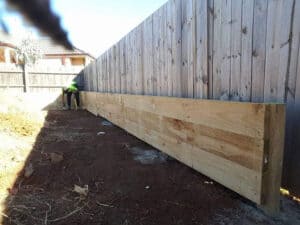
Wood fencing involves using timber planks or boards to create a boundary around your residential or commercial property. It's often favored for its natural appearance and capability to mix seamlessly with garden landscapes.
Benefits of Wood Fencing
Aesthetic Appeal: Wooden fences radiate a rustic beauty that numerous homeowners find appealing. Customization Options: You can stain or paint wood fences in any color you desire. Eco-Friendly Choice: If sourced sustainably, wood fencing can be an environmentally responsible option. Cost-Effectiveness: Typically speaking, wood fences are more affordable in advance compared to their steel counterparts.Installation Process Comparison
Colorbond Fence Installation
Who Needs to You Hire?
When thinking about setup, hiring professional contractors like Colorbond fence builders or Colorbond fence installers makes sure that the task is done right. These experts have specialized understanding about regional policies and appropriate strategies for setting up these types of fences.
Installation Actions for Colorbond Fencing
Planning & & Design Site Preparation Material Sourcing Installing Posts Attaching Panels Adding GatesThe whole process often takes simply a few days depending upon the scale of the project.
Wood Fence Installation
DIY vs Professional Help
While some homeowners choose to set up wooden fences themselves due to lower costs, employing wood fence contractors can conserve you time and ensure quality workmanship.
Installation Steps for Wood Fencing
Planning & Design Site Preparation Selecting Quality Timber Installing Posts Attaching Boards Finishing Touches( staining or painting)This procedure may take longer than setting up a Colorbond fence due to drying times related to treatments used after installation.
Cost Analysis: Budgeting for Your Fence Project
Initial Expenses of Colorbond vs Wood Fencing
Here's where things begin getting fascinating! Let's break down what you'll likely invest:
|Type|Initial Expense( Average)||-----------------------|------------------------|| Colorbond Fencing |$75-$100 per meter|| Wood Fencing|$50 - $80 per meter|
While colorbond may appear more expensive initially, bear in mind that longevity often exceeds initial expense when budgeting for long-lasting expenses.
Maintenance Expenses Over Time
When assessing total cost gradually:
- Wood needs routine upkeep(staining/painting)every few years. Colorbond typically sustains minimal costs beyond occasional cleaning.
Longevity & Resilience Factors
How Long Does Each Type Last?
- A well-installed colorbond fence lasts 30 years or more. Traditional wood fences generally last 15-20 years depending upon climate conditions.
Environmental Influence on Longevity
Wooden structures are extremely susceptible to rot in damp areas while metal stays resilient against such conditions-- making it vital to consider location when selecting materials.
Aesthetic Considerations: Visual Appeal & Personalization Options
Design Versatility with Colour
Colorbond can be found in different colors and profiles permitting homeowners considerable flexibility in style while wood alternatives can be painted or stained however may not offer as extensive alternatives as metal equivalents do!
Curb Appeal
From a visual perspective:
- Wooden fences tend to offer a warmer feel ideal for rural settings. Conversely, color bond's sleek look suits contemporary designs perfectly!
Environmental Concerns
Sustainability Aspects
When thinking about sustainability:
- Opting for recovered wood supports environment-friendly practices whereas color bond utilizes recyclable products contributing less stress upon natural resources.
FAQs About Colorbond and Wood Fences
1)What's the life-span difference between color bond and wooden fences?
The typical lifespan of color bond fencing is about 30 years while wooden choices last roughly 15-20 years depending on care taken by owners.

2 )Exist any guarantee differences?
Most makers provide service warranties ranging from 10-20 years on color bond products; however service warranties differ substantially across different wood brands based upon treatment approaches utilized during production cycles.
3)Is setup simpler for one type over another?
Generally speaking installing color bond tends to be simpler since elements meshed seamlessly without needing additional treatments post-installation unlike most wood alternatives requiring continuous upkeep after being put up!
4 )How do I keep each type?
For ideal care-- color bond needs regular cleaning while wood variants require staining every few years plus checks against insect infestations making sure long-lasting value!

5)Can I install either myself?
It's possible but suggested considering employing experts familiarized with regional policies relating respective types as they'll guarantee correct adherence throughout installations avoiding future headaches!
6)Which type offers much better privacy?
Both choices provide significant personal privacy when created accordingly; however taller designs from either classification take full advantage of concealment!
Conclusion
In conclusion, picking in between https://squareblogs.net/dorsondudd/comparing-wood-vs Colorbond fencing and wood fencing eventually hinges upon individual choice alongside useful considerations regarding aesthetics versus resilience! While color bond appears more costly upfront-- it proves itself reliable through durability coupled with minimal upkeep expenditures unlike traditional wooden structures requiring continuous upkeep efforts! Ultimately evaluating requirements will assist guide decisions leading toward achieving preferred results without jeopardizing quality requirements throughout processes included!
So which will you pick? Whether it's the sleekness of Colorbond or the rustic beauty of wood-- both have unique functions worth thinking about completely before making final calls!